The New Frontier
Date: March 28-29, 2026
Location: Columbia University, Pupin Hall
Find The Conference Room
Human Ingenuity in an AI-Driven World
"Can we survive technology?" John von Neumann asked this question in 1955 in Fortune magazine. Today, as artificial intelligence enters a new phase of rapid development, it is more relevant than ever. AI is transforming education, research, and labor markets worldwide, posing challenges across society. As AI appears to devalue hard work and fundamental knowledge, not only the sciences but also the arts face profound disruption. The new technology increasingly reshapes - and threatens to replace - scientists, teachers, and artists. These developments are deeply connected to von Neumann's revolutionary contributions to computing, game theory, and scientific reasoning, which demonstrate how abstract theory can drive rapid and far-reaching societal change. Echoing von Neumann's enduring insight, the conference argues that human survival depends on advancing wisdom, ethics, methods, and governance at the same pace as technological power. Building on the 2023–2025 editions, the Neumann Series has never been a historical or biographical event, but rather a unique forum integrating basic research and applied science while addressing emerging challenges from multiple perspectives. Its guiding conviction is that technological breakthroughs do not mark the end of history, but instead signal new beginnings. By bringing together students, early-career researchers, and senior scholars across disciplines, the Neumann Series fosters interdisciplinary exchange and a vision of innovation grounded in responsibility, creativity, and human values - reflecting the belief that we are not at the end of creativity and thought, but at the threshold of a bold new era. This is the dialogue we seek to start - a conversation about embracing technology without surrendering the ingenuity that defines humanity.
Recording Notice
Please note that this conference will be recorded. By attending the event, you acknowledge and consent to the recording and to the use of audio, video, and photographic materials for documentation, educational, and promotional purposes.
Scientific Committee

Chris Ball

Szabolcs Márka

Boglárka Ecsedi
Sponsors







Program
Meet Our Speakers!
Click to flip for introduction!
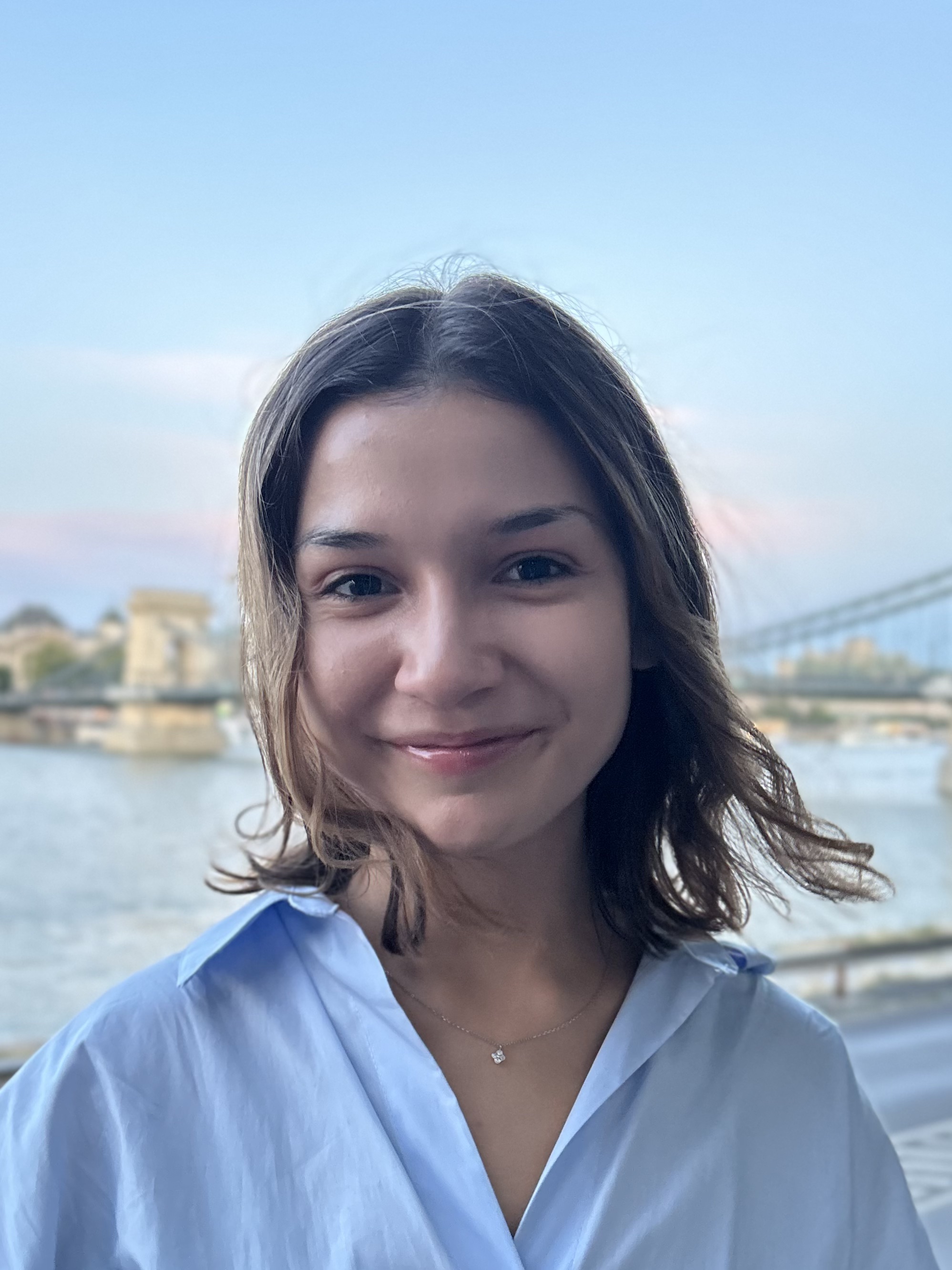
Abram, Erzsébet
Columbia University and Ok Today
Erzsébet is a behavior analyst, emerging impact practitioner, and graduate student at Columbia University, specializing in impact investing and social entrepreneurship. She currently works at a strategic communications consultancy as part of the OK Today team, advancing efforts to reduce stigma around youth mental health. Originally from Marosvásárhely, she completed her undergraduate studies in Budapest, studying psychology at Eötvös Loránd University and economics at Mathias Corvinus Collegium. At 19, she co-founded and led the Center for Future Health Development nonprofit, endorsed by World Health Organization Director-General Tedros Adhanom Ghebreyesus. There, she contributed to interdisciplinary healthcare research and policy proposals submitted to Hungary's State Secretariat. Before moving to New York, she worked at a Hungarian family office, supporting early-stage health startups.

Árvai, Nóra
University of Debrecen
Nóra Árvai is an applied health psychologist with six university diplomas and over 16 years of clinical experience. She has logged more than 28,000 hours in consultations with chronically ill patients and medical professionals, wholeheartedly embracing the role of a “bridge” to connect the two sides. As a science communicator, her mission is to make science approachable and relatable, helping people make informed and confident decisions about their health. Over the years, she’s written 14 books, 15th is on the way, she published 2,155 articles, and made over 190 television and radio appearances. Her passion for creating a more compassionate and effective healthcare system has led her to pursue a PhD in medical futures at the Kálmán Laki Doctoral School of Biomedical and Clinical Sciences at the University of Debrecen, Hungary.
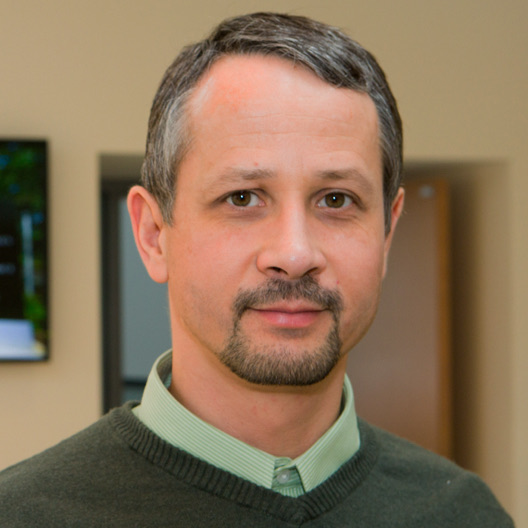
Balázsi, Gábor
Stony Brook University
Gábor Balázsi, Ph.D., is the Henry Laufer Professor of Biomedical Engineering and a member of the Laufer Center for Physical and Quantitative Biology at Stony Brook University. His research seeks a predictive, quantitative understanding of cellular decision making, population survival, and evolution. His laboratory integrates computational modeling of natural gene regulatory networks with the design and experimental characterization of synthetic gene circuits. His work has demonstrated how nongenetic cellular variability promotes drug resistance, metastasis, and adaptive evolution, and has produced synthetic “dimmer” gene circuits for precise control of gene expression. By interfacing natural gene networks with synthetic circuits, his group studies how manipulating gene network dynamics shapes cellular phenotypes in cancer and therapeutic resistance across biomedical engineering and systems biology.
Ball, Chris
Quinnipiac University
Chris Ball is founder and Director of the Central European Institute (CEI) at Quinnipiac University where he is an Associate Professor of Economics and holds the Istvan Szechenyi Chair in International Economics. Ball serves as the Honorary Hungarian Consul for Connecticut where he promotes bi-lateral business relations with Hungary. Ball earned his bachelor's degree in Economics at the University of Alabama in Huntsville and earned his Ph.D. in International Macroeconomics at Texas A&M University. He has published in top academic journals such as the Journal of Macroeconomics, Research in Economics, World Economy, Applied Economic Letters, and International Journal of Finance and Economics. Ball has written on various topics in the Hartford Courant, New Haven Register, CATO Regulation Magazine and the New York Times. He writes a regular column on international economic affairs for substack at Global Economics.

Barabási, Dániel
Broad Institute of MIT and Harvard
Dr. Dániel Barabási is a FutureHouse AI-for-Science Fellow and an Eric and Wendy Schmidt Fellow at the Broad Institute of MIT and Harvard. He specializes in developing methods for connectomic analysis and researching the role of neurodevelopmental priors in shaping complex behaviors. Dr. Barabási earned his Ph.D. in Biophysics from Harvard University in 2024, under the mentorship of Dr. Florian Engert. His work bridges neuroscience, theoretical modeling, and artificial intelligence, offering new insights into the foundations of cognition and behavior.

Bergou, János
Hunter College
János Bergou is a Hungarian physicist and academic who currently holds a professorship at Hunter College and the Graduate Center of the City University of New York. He has been a Fellow of the Optical Society of America since 2006, and the American Physical Society since 2009 for "outstanding work in the field of quantum optics and quantum information". He was awarded the Officer's Cross of the Order of Merit of the Republic of Hungary (2013). He is Honorary Doctor of the University of Pécs (2013) and External Member of the Chilean Academy of Science since 2017. He earned a Master of Science (1970) and a PhD summa cum laude in Theoretical Physics (1975) from the Loránd Eötvös University in Budapest. He received the degree of Doctor of Science from the Hungarian Academy of Sciences in 1994. He is the founding president of the New York Hungarian Scientific Society, which regularly brings together scientists born in Hungary and working in the United States.

Bhattacharya, Ananyo
London Institute for Mathematics
Ananyo Bhattacharya is chief science writer at the London Institute for Mathematical Sciences. He studied physics at Oxford and did his PhD in protein crystallography at Imperial College London. He went on to be chief online editor at Nature, and social media editor and science correspondent at The Economist. At the London Institute, his work includes summarising our research on our website and writing longer pieces about our discoveries for the press. Dr Bhattacharya is the author of The Man from the Future, a biography of the ideas of the mathematician John von Neumann, which was an FT and TLS book of the year. In his spare time, he blogs about science, works on his next book and dabbles in science fiction..

Bojboi van Batenburg, Rebeka
Zocdoc
Rebeka Bojboi van Batenburg is an Integration Engineer at Zocdoc working at the intersection of technology, healthcare systems, and applied artificial intelligence. She graduated from Columbia University in 2025 with a Bachelor of Arts in Computer Science. During her studies, she conducted neuroscience research at Columbia's Mortimer B. Zuckerman Mind Brain and Behavior Institute, where she worked on computational and neurophysiological approaches to understanding decision-making and attention in the brain. Her work spans software engineering, data systems, and emerging AI tools applied to complex real-world environments. At Zocdoc, she works on integrations that connect healthcare providers, scheduling systems, and patient access platforms, contributing to more efficient digital healthcare infrastructure. Rebeka is particularly interested in how advances in artificial intelligence can strengthen scientific collaboration and accelerate research and education across international communities.

Da Silva, Myriam
CheckIT Learning
Myriam Da Silva is a visionary, entrepreneur, AI ethicist, writer and artist driven by a singular mission: to inspire people to believe in themselves. Through her work, she empowers audiences to embrace their unique gifts as a force for contribution, leading lives filled with meaning, purpose, and fulfillment. Myriam is an educator at heart and a serial learner, she studied international business, Didactics of Languages, Holistic medicine and educational neuroscience. As the CEO of CheckIT Learning and President of the CheckIT Foundation, Myriam is pioneering a new vision for education grounded in human flourishing. She is the creator of Cleo, the world’s first AI neuro-mentor designed to support teachers and students through the science of learning, and she led and co-authored the development of a Science of Learning micro-course that helps educators bring neuroeducation into daily practice. Myriam works with global organizations on AI ethics and child-centered design.
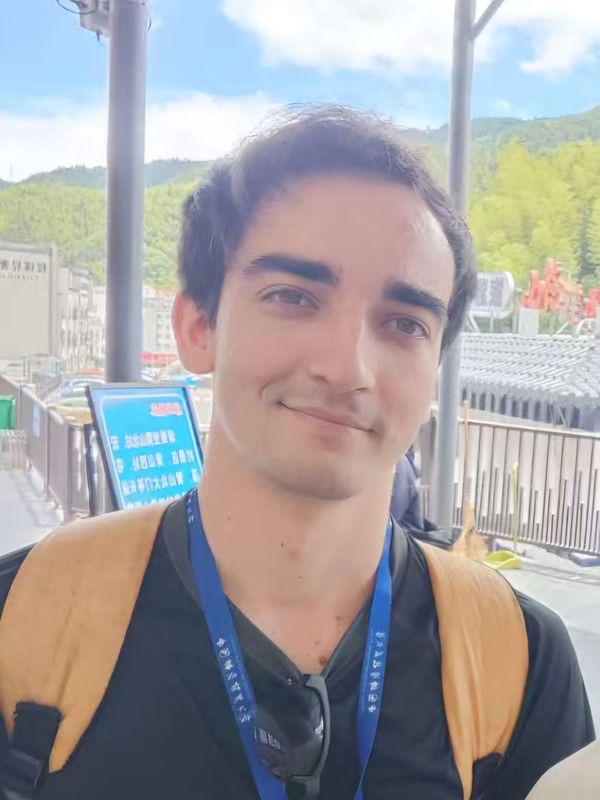
Dömény, Martin Ferenc
Obuda University
Martin Ferenc Dömény conducts research at the Physiological Controls Research Center at Obuda University. A PhD student at the university, he earned his Computer Science Engineering MSc at the John von Neumann Faculty of Informatics. His research focuses on chemotherapy optimization using advanced artificial intelligence. Currently, he is developing a novel algorithm based on an 'LLM-in-the-loop' approach, advancing from traditional 'human-in-the-loop' designs to sophisticated autonomous frameworks. Martin's excellence is highlighted by the Hungarian Fuzzy Association's Youth Award, The Most Innovative Thesis Work Award, and multiple first-place finishes at the Scientific Students' Associations Conferences. He also serves as Treasurer for the IEEE HS Women in Engineering Affinity Group.
Ecsedi, Boglárka
University of Toronto
Boglárka Ecsedi is a PhD candidate in Computer Science at the University of Toronto and a researcher at the Vector Institute. Her research focuses on building more robust, interpretable, and generalizable AI systems and exploring how machine learning can support scientific discovery and socially beneficial applications. Originally from Hungary, Boglárka completed her BSc in Computer Science at Georgia Tech as a recipient of the prestigious Hungarian Stipendium Peregrinum scholarship. She has worked with leading research groups across North America and Europe, authored 20+ peer-reviewed publications, and her work has been presented at international venues including ICLR and EANM. Her work spans areas from medical AI and radiomics to generative models and model merging for LLMs. Beyond her research, Boglárka is committed to responsible and human-centered technological progress. Her work seeks to build bridges between research and practice, across countries and generations — helping shape technological innovation that serves long-term societal values.

Fekete, Ildikó
Applied Folk Artist
I am Ildikó Fekete, originally a mathematician, but I work in the field of information technology. Creating and researching Easter eggs is a hobby for me. I first met the technique when I was a child, and I have been captivated by it ever since. I devoted myself to this art form when I was in high school; this was the first time I have created an egg with which I was satisfied. I have been creating new ones ever since; all of the eggs in this site are my creations. My activities have been recognized countless times: my eggs are part of the collection at the Fejér County Repository of Values; I was awarded the Masterpiece of Hungarian Craft Award, the Pomegranate Award, the Junior Prima Award, the Applied Folk Artist title, and the Young Master of Folk Art title, which is awarded by the Hungarian State on 20 August. All these recognitions serve as confirmation that my work is important.

Ferenczy, András
Cornell University
András is a machine learning and software engineer currently pursuing graduate studies at Cornell University. He conducts research at the university’s Natural Language Processing Laboratory, aiming to create more memory-efficient Transformer models. Originally from Hungary, he completed his undergraduate studies in Budapest, studying computer engineering at the Budapest University of Technology and Economics and the Karlsruhe Institute of Technology in Germany. He previously worked at Bosch on machine learning models for autonomous vehicles, where he developed a computer vision model four times faster than the version previously used by the company. He is passionate about solving problems with software that are as close to humans as possible.
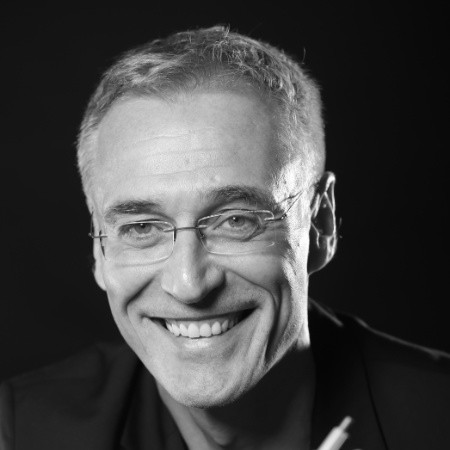
Fulop, József
iASK, MOME
József Fulop is a DLA-qualified visual communication designer, animation creator, producer, and university professor. He served as rector of MOME (Moholy-Nagy University of Art and Design) for a decade (2014–2024). As a producer of animated films, he has achieved significant success at domestic and international festivals. His productions have won awards at Annecy, Cannes, and the Berlinale, among others. Further accolades include a Cartoon d’Or nomination in 2007, an Academy Award nomination in 2014, a European Film Award nomination in 2023, an Annie Award nomination in 2024, and a Crystal Bear at the Berlinale in 2025. He has been a member of the European Film Academy since 2025. Since 2026 he is also a researcher of iASK (Institute of Advanced Study, Koszeg) His research focuses on animation, disruptive technologies, scientific communication, and modeling reality.
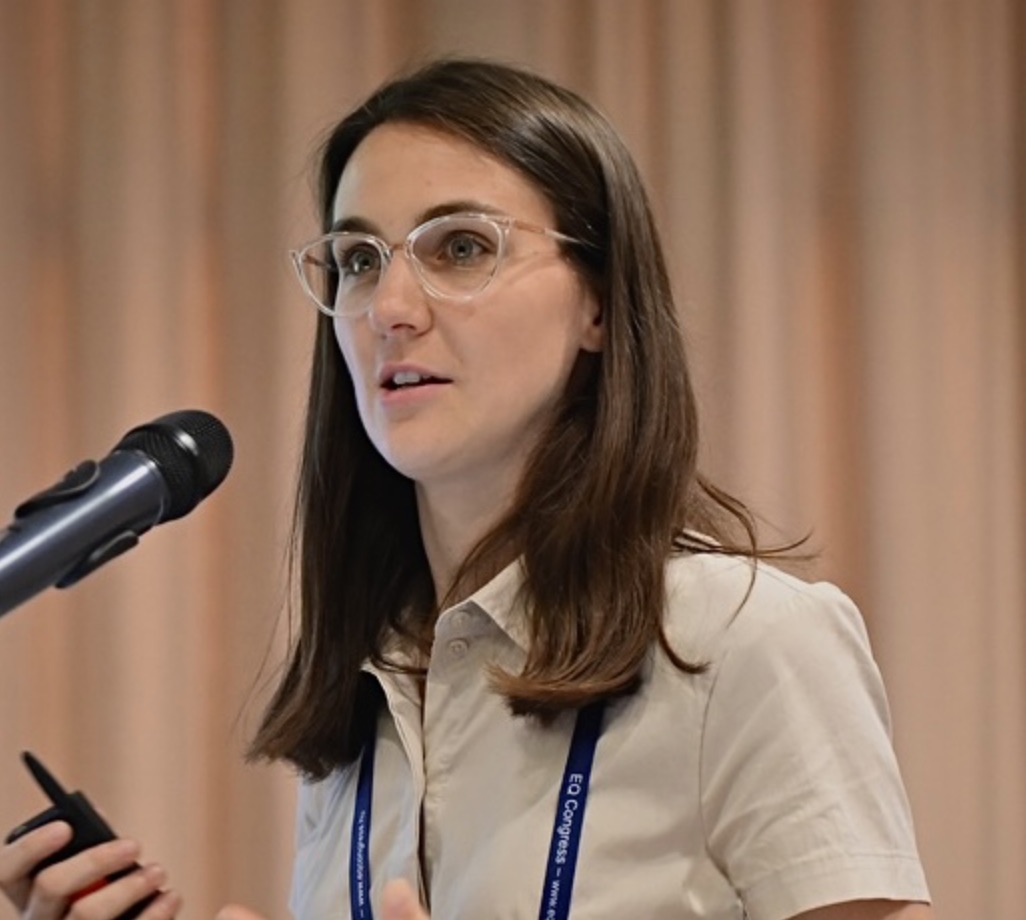
Gerendás, Lili
Weill Cornell Medicine
Lili Gerendás, MD, is a physician-scientist specializing in translational retinal research. She received her medical degree from Semmelweis University in Budapest and is currently a Fulbright fellow at Weill Cornell Medicine in New York. Her work centers on developing therapeutic strategies for degenerative retinal diseases, with a focus on gene and cell-based approaches to preserve and restore vision. She works with human retinal models and experimental systems to advance treatments toward clinical application. With training in both medicine and molecular research, she approaches vision science from a combined clinical and experimental perspective. She is also interested in science communication and in the broader societal implications of biomedical innovation.

Horompoly, Kristof
ValidMind
Kristof Horompoly is an AI expert with a career that sits at the intersection of mathematical modeling, risk, and real-world decision systems - from quant roles across major banks including Morgan Stanley and Bank of America Merrill Lynch to fraud modeling at PayPal, where he also built the foundations of the Responsible AI program. He later led the global Responsible AI Team at JPMorgan Chase, partnering across the business, AI research, engineering, and AI governance to move principles into practice. Today, as Head of AI at ValidMind, he leads AI engineering, product, and strategy to help teams ship products and features that are optimized for accuracy, performance, and transparency.

Jakab, Roland
HUN-REN
Roland Jakab is the Chief Executive Officer of HUN-REN (Hungarian Research Network). He started his professional career in 2000, joining Ericsson Hungary Ltd., where he was later appointed Head of Strategy for the Central Europe region, covering eight countries. In his professional corporate activities, he has played a leading role in the introduction of several technological innovations (3G, 4G, 5G) and the dissemination of cutting-edge research and development in Hungary. Currently he chairs several professional organisations: President of the Artificial Intelligence Coalition, Chairman of the Hungarian European Business Council (HEBC), President of the Swedish Chamber of Commerce in Hungary, President of BME's Supporters and Friends Association, Founding Vice President of the Alliance for the Future Engineers, Board member of the 5G Coalition, Member of the Cooperative Doctoral Collegium, Member of the National Advisory Committee of National Laboratories.

Kökényesi, Imre
Game-Based Math Learning and Data-based Educator
Imre Kökényesi is a multi-award-winning game, puzzle, and toy designer, and a design educator at MOME. His expertise spans cognition research, educational methods, and engineering. He leads a team of psychologists, researchers, and IT-AI experts to create innovative, data-driven learning systems for kindergartens and schools, integrating online and offline methods. Imre's goal is to enhance cognitive abilities through specially designed puzzles and games. His projects include a game-based cognitive test that improves traditional assessment methods and a personalized math education system for early learners, blending AI with human mentorship.
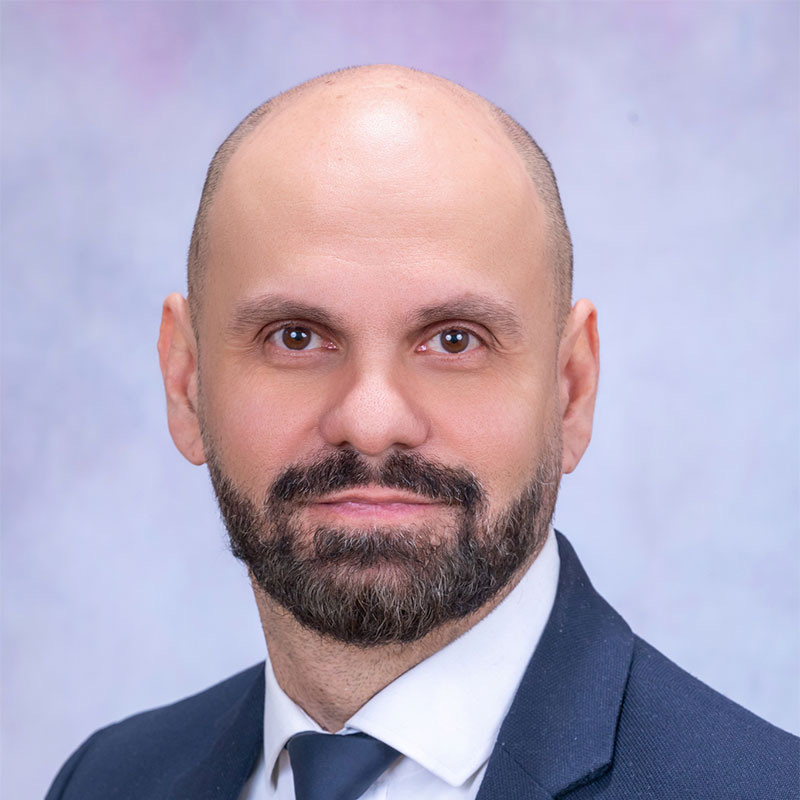
Láng, György
ELTE Radnóti Miklós Practice School
György Láng is a high school teacher of biology and geography and a public education leader. He serves as Principal of the ELTE Radnóti Miklós Practice Primary School and Secondary Grammar School in Budapest. Over several decades of professional experience, he has worked as a teacher, tutor, head of department, and deputy principal. His professional interests include teacher education, talent development, and the role of practice schools in the renewal of public education. His leadership focuses on quality-driven school development, a collaborative institutional culture, and fostering students' independent and critical thinking. He is actively involved in mentoring pre-service teachers and supporting innovative pedagogical practices within teacher education. In addition, he regularly contributes to professional discourse on school leadership and educational quality through institutional and academic collaborations.

Lawrence, Cindy
MoMath
Cindy Lawrence is the Executive Director and CEO of the National Museum of Mathematics (MoMath). Under her stewardship, MoMath has attracted more than one million onsite visitors and has engaged audiences in 125 countries around the world. The innovative and engaging exhibits and programs developed by Ms. Lawrence and her team have resulted in numerous awards for MoMath, including the Communications Award for Public Outreach from the Joint Policy Board for Mathematics and the American Alliance of Museums Media and Technology Professional Network MUSE Award. In her day-to-day role, Ms. Lawrence focuses on the creative design process for exhibits and programs,as well as overseeing all aspects of operations. She serves as a consultant for math museums in formation around the world.
Márka, Szabolcs
Columbia University
Marka Szabolcs is the co-discoverer of cosmic gravitational waves; his extensive research ranges from astrophysics to biophysics. After graduating from Kossuth Lajos University in Hungary, he earned his doctorate at Vanderbilt University in the United States. He conducted research at Cornell University and the California Institute of Technology, and in 2004 he became a lecturer at Columbia University. His work is often covered by the international media, from the New York Times to Die Zeit to the Economist. He is the recipient of the Blavatnik Prize and co-winner of several prizes, including the Breakthrough Prize in Fundamental Physics and the Gruber Cosmology Prize. He strongly believes that in addition to the search for fundamental discoveries, scientists should also invest in improving human life by using their experience and creativity. He is convinced that science can make us live happier, healthier, and longer lives; moreover, engagement in art+explorations can make it worth living!
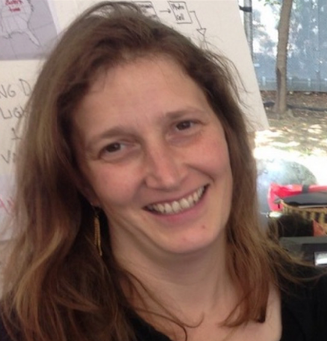
Márka, Zsuzsa
Columbia University
Professor Zsuzsa Márka is a scientist at Columbia Astrophysics Laboratory. She works on the Laser Interferometer Gravitational-wave Observatory (LIGO) project that in 2016 announced the first direct detection of gravitational-waves. Márka led the project that built the LIGO and KAGRA timing distribution systems, key subsystems for instrument control and gravitational wave data acquisition, at Columbia University. She works with members of the Columbia Experimental Gravity group on various aspects of gravitational-wave multimessenger astrophysics with a special focus on joint high-energy neutrino and gravitational wave searches. She is also involved in the development of new technologies through the Columbia BioOptics Group with a focus on combating disease transmitting vectors via optical and acoustic technologies and a murine model of neurodegenerative diseases. As the mother of four children, Márka believes educating young minds for the beauty and value of scientific endeavors is very important for progress.

Molontay, Roland
Budapest University of Technology and Economics
Roland Molontay is an applied mathematician, data scientist, and network scientist. He is an Associate Professor at the Budapest University of Technology and Economics (BME), Deputy Director of the BME Institute of Mathematics, Head of the Institute of Biostatistics and Network Science at Semmelweis University, Head of the Human and Social Data Science Laboratory at BME and Head of the Research Abroad Program at the Aquincum Institute of Technology (AIT-Budapest) where he is also teaching data science. His research focuses on both the foundational and practical aspects of data science and network science, particularly in the social domain. He leads numerous R&D projects in collaboration with companies and has extensive experience working with both multinational corporations and small- to medium-sized enterprises.

Nagy, Ivan László
Columbia Journalism Review
Ivan László Nagy is a Budapest-born political journalist, currently a Delacorte Fellow for the Columbia Journalism Review in New York. He graduated in 2025 from Columbia Journalism School's MA program in Politics, receiving scholarships from the Graduate School of Journalism, the Rosztoczy Foundation, and the Hungarian American Coalition, and winning the Association of Foreign Press Correspondents' Scholarship Award. He holds a First-Class Honours BA in Journalism, Communications, and Politics from Cardiff University. His 15,000-word Master's thesis on Hungarian constitutional lawyer Dániel Karsai was published by Switchboard Magazine. Ivan contributes to The New World, and since 2022 has been a fellow at Visegrad Insight. Previously, he held multiple roles at HVG, founding its podcast division and hosting and producing leading shows on news, health, and culture.
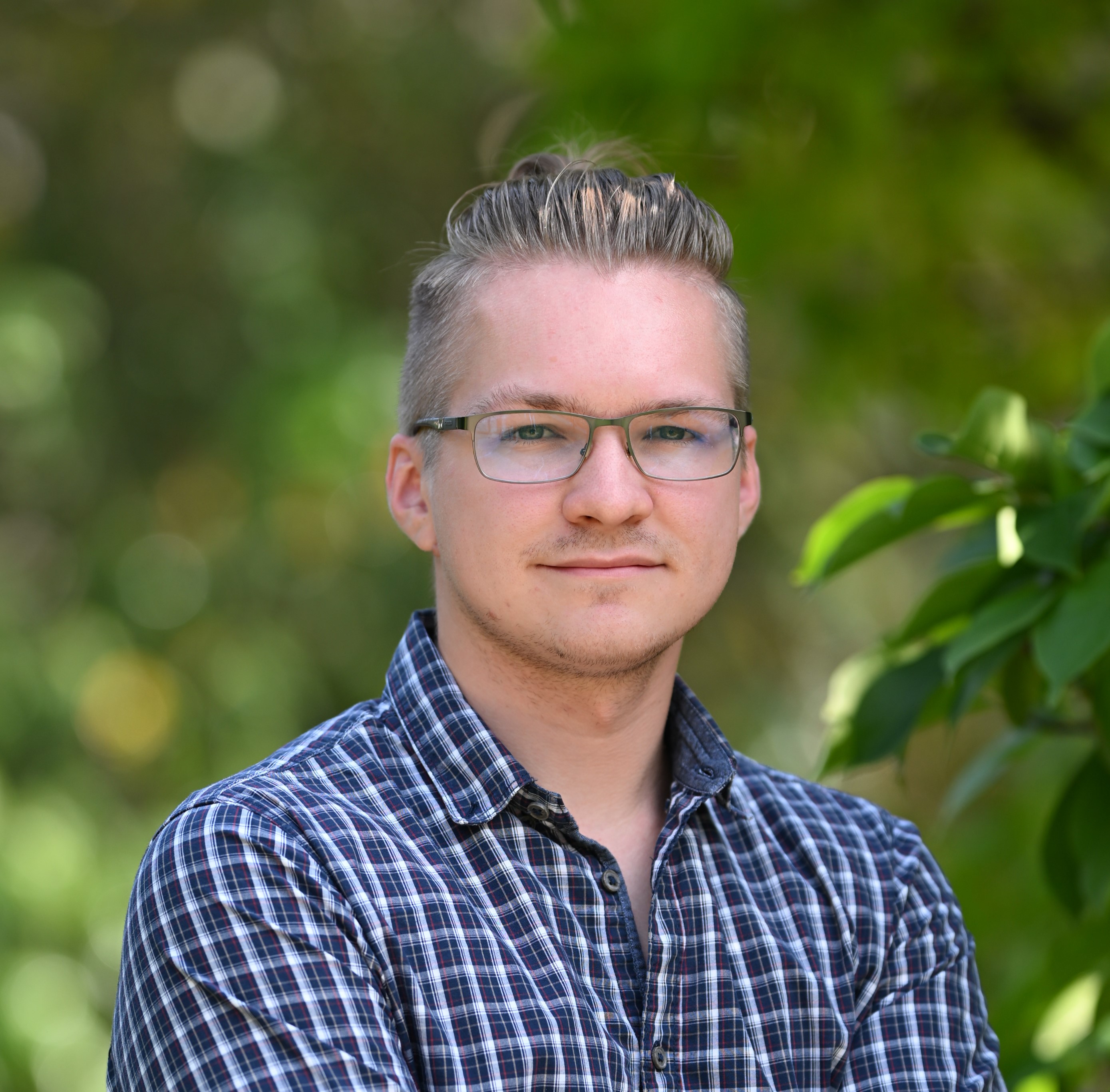
Németh, Róbert
Eötvös Loránd University
Róbert Németh is a PhD student in physics at Eötvös Loránd University in Hungary. He is working in the field of condensed matter physics and quantum information as the student of József Cserti and Gábor Széchenyi, and, temporarily, as a member of Mark Friesen's research group. His current research focuses on the readout and shuttling of spin quantum bits in semiconductor devices. Róbert received his B.Sc. and M.Sc. degrees at Eötvös Loránd University where his theses and published papers revolved around the Aharonov–Bohm effect and other magnetic phenomena in two-dimensional nanostructures. Alongside research, he is also deeply invested in education and talent care: he takes part in the teaching of both undergraduate and graduate physics courses, and he is a member of the organising committee of both the Dürer Competition for high school students and the Rudolf Ortvay International Competition in Physics for university students.
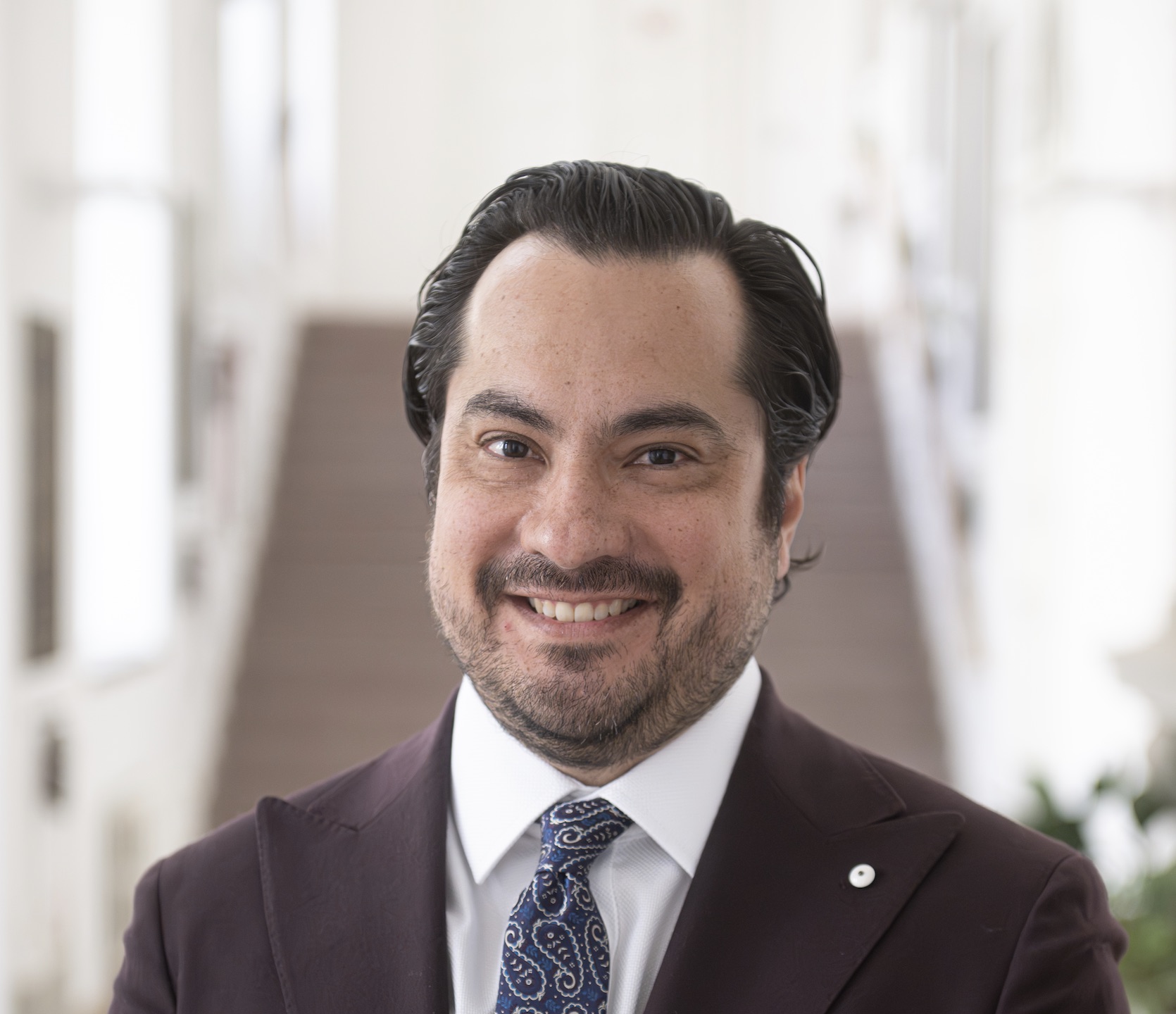
Pigozzi, Pier Paolo
Ludovika University of Public Service
Pier Paolo Pigozzi is an Associate Professor at the School of Public Governance and International Studies of Ludovika University of Public Service (Budapest, Hungary), where he also serves as Vice-Rector for International Affairs. His academic interests span human rights, international law, comparative law, and jurisprudence. He earned his Bachelor of Laws (LL.B.) from the Pontifical Catholic University of Ecuador, and an LL.M. and a Doctorate (J.S.D.) in human rights law from Notre Dame Law School. Before Ludovika, he held tenured professorships, as well as visiting positions, in the United States, Italy, Germany, Chile, and Ecuador. As an attorney, he has litigated before national and international courts. He frequently serves as a consultant and trainer for various UN agencies and programs.

Réthelyi, János
Semmelweis University
Dr. János Réthelyi is a psychiatrist and researcher, and Director of the Department of Psychiatry and Psychotherapy at Semmelweis University. He believes that medical students must be motivated and inspired to find psychiatric disorders intellectually engaging so the profession becomes attractive to them. At the same time, he emphasizes that patient care must always be delivered with the highest professional standards and strong ethical commitment, as the clinic's work significantly influences psychiatric care across the entire Budapest region. Dr. Réthelyi graduated from the Faculty of Medicine in 1999 and began his PhD studies at the Institute of Behavioural Sciences under the supervision of Dr. Mária Kopp. In 2012 he spent a year as a visiting researcher at the Salk Institute in San Diego in Professor Fred H. Gage's laboratory. He is currently a Fulbright Visiting Scholar at Indiana University Bloomington.
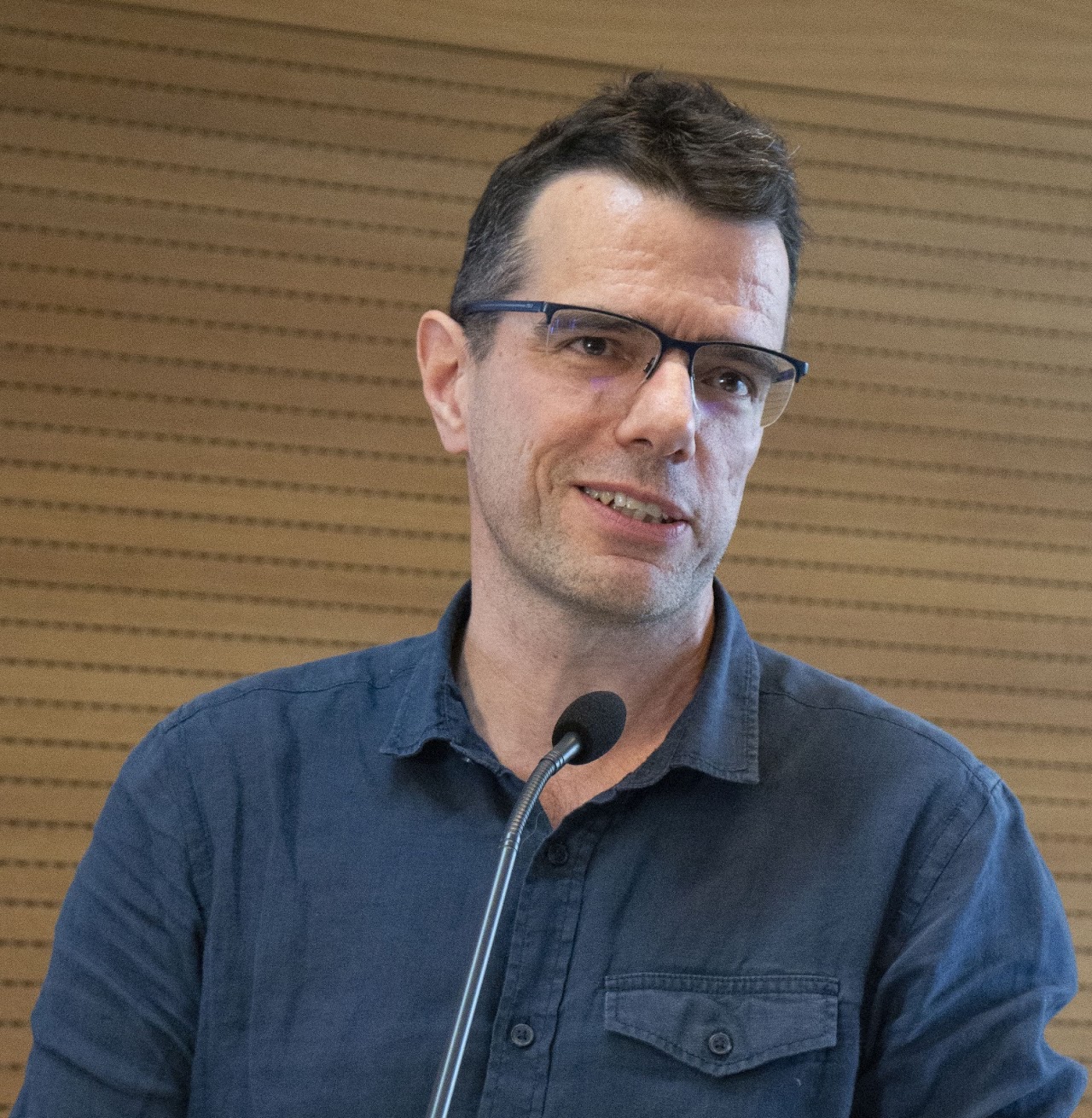
Ságvári, Bence
Corvinus University
Bence Ságvári is currently a visiting professor at Indiana University Bloomington. In addition to this position, he is a Senior Research Fellow at the Center for Social Sciences in Budapest and heads the CSS-Recens Computational Social Science research department. As of 2021, Bence is also an associate professor at Corvinus University of Budapest, where he teaches social network analysis, research methodology, and sociological theories. His current research focuses on how digital trace data can be used to study social phenomena. He received his PhD in sociology from ELTE University in 2011. Since 2011, he has worked as the Hungarian coordinator for the European Social Survey (ESS), one of the largest cross-national comparative social surveys in the world. Besides his academic career, Bence is co-owner of Business Software Solutions Ltd (BSS), a company that develops various business software and smartphone applications. In 2014/15, he was Visiting Fulbright Professor at Indiana University.
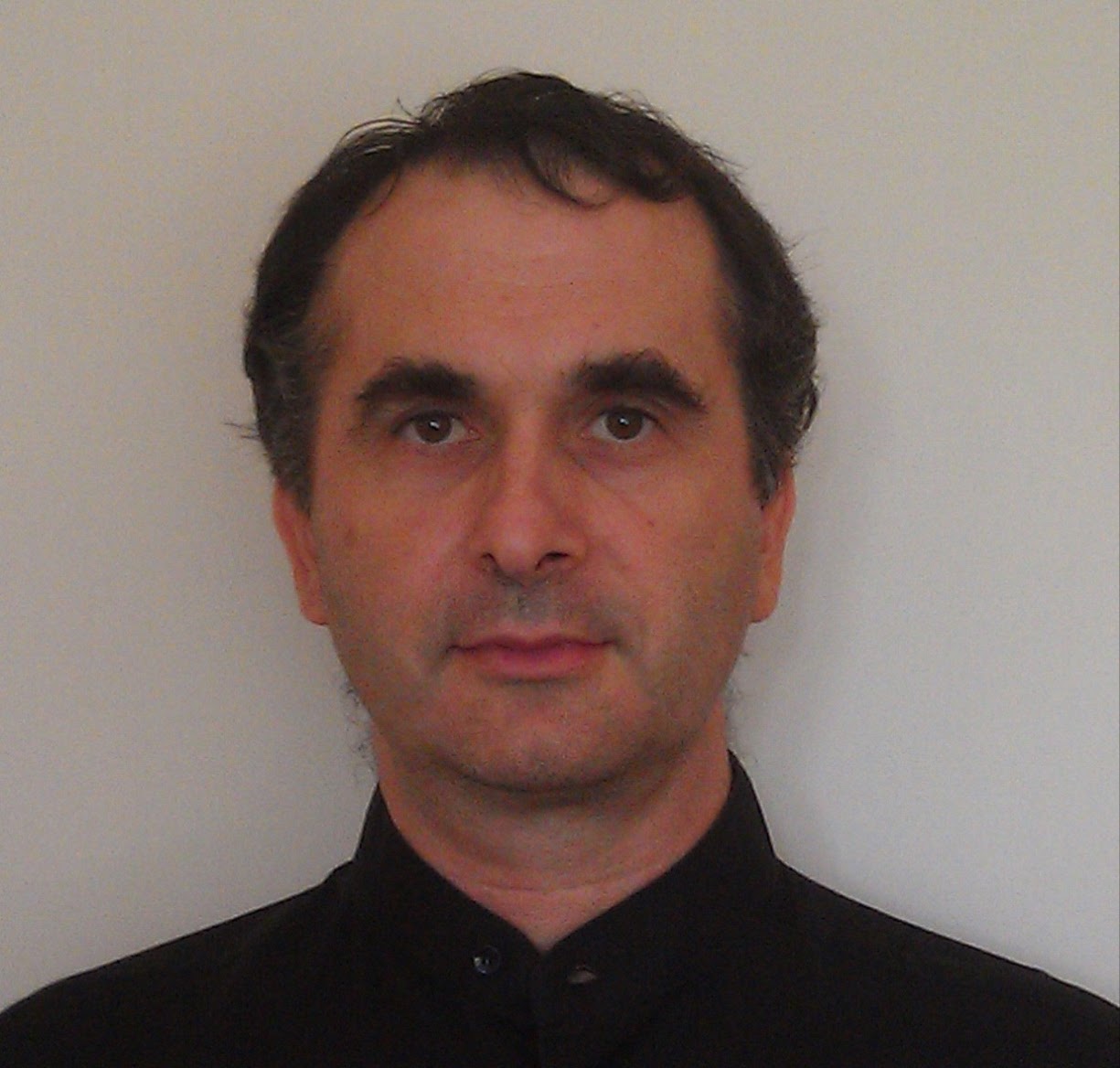
Stipsicz, Andras
Alfréd Rényi Institute of Mathematics
András Stipsicz is a professor and director at the Rényi Institute of Mathematics in Budapest, Hungary. He received his PhD from Rutgers University in 1994. Stipsicz was a postdoctoral fellow at the University of California, Irvine and spent several semesters at MSRI Berkeley, at the IAS in Princeton, the Max-Planck-Institute in Bonn, and the Mittag-Leffler-Institute in Stockholm. He received an ERC Advanced Grant in 2012 and was an invited speaker at the ICM2010 in Hyderabad, India. Stipsicz is a member of the Hungarian Academy of Sciences. He is an expert in low dimensional topology and in contact topology. He had influential results in smooth four-dimensional topology, and in applications of Seiberg-Witten and Heegaard Floer theories. Applying methods from knot Floer homology, he introduced important invariants of knots in the standard three-dimensional sphere, and of Legendrian and transverse knots in contact three-manifolds.

Sztipanovits, János
Vanderbilt University
János Sztipanovits is a Hungarian-American electrical engineer and computer scientist and the E. Bronson Ingram Distinguished Professor of Engineering at Vanderbilt University. He is the founding director of Vanderbilt’s Institute for Software Integrated Systems (ISIS), where he continues to serve on the Executive Council. Professor Sztipanovits is internationally recognized for pioneering model-integrated computing and for his foundational contributions to the design and assurance of cyber-physical systems. His research spans adaptive and autonomous systems, design-space exploration, and systems-security co-design, with broad impact across embedded systems, aerospace, automotive, and healthcare domains. He has held senior leadership roles in U.S. government research, including Program Manager and Acting Deputy Director at Defense Advanced Research Projects Agency. He is an IEEE Fellow, an external member of the Hungarian Academy of Sciences, and a John von Neumann Professor.
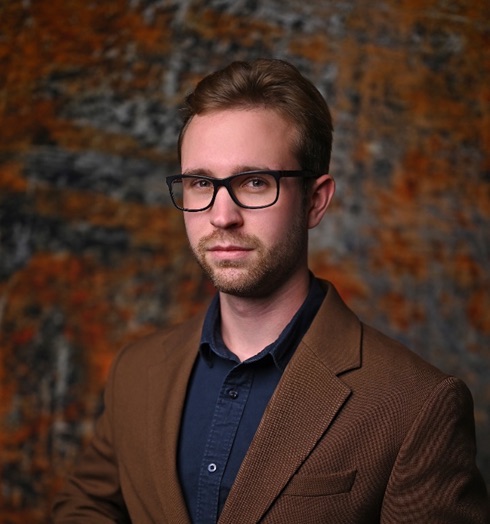
Ujhegyi, Bence
Obuda University
Bence Ujhegyi's research focuses on student-led space projects and how to adapt space-industry systems engineering discipline to university teams: requirements and configuration management, verification/validation, risk control, and lifecycle governance. As operational lead of Project RUBIK, he coordinates a 14-person multidisciplinary team from planning and scheduling through interface alignment, integration, documentation, and partner coordination, aiming for a flight-ready payload built with full traceability and publishable outcomes. In parallel, as a PAM&CM professional at 4iG S&D, he maintains baselines and change control, manages configuration items and documents, and ensures an auditable compliance trail - keeping delivery stable at decision points and during handovers.
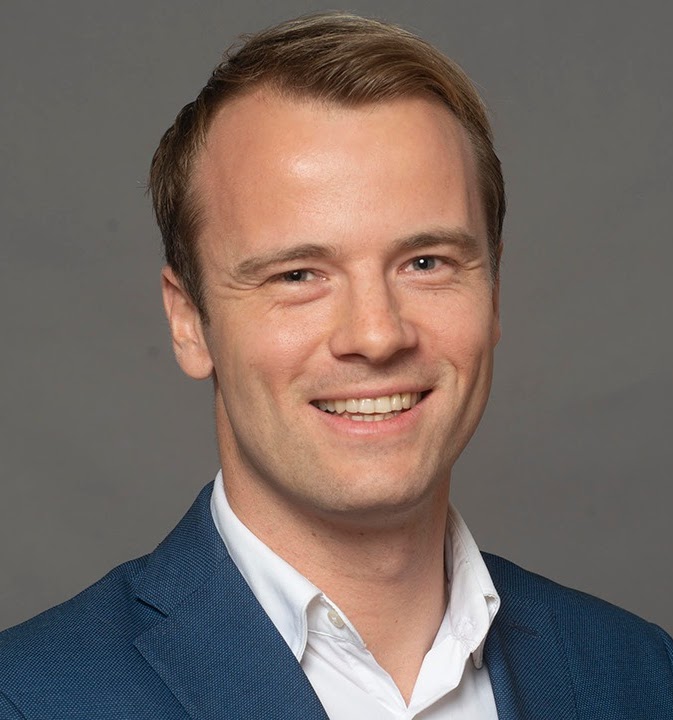
Varju, Imre
Science Communication Fellow at EUniWell
Imre Varju MD, PhD, MPH is a Health Communications Specialist with a background that spans medical research, public health, and healthcare advertising. Over the last decade his positions have included Senior VP, Director of Strategy at various agencies, advisor to the Institute for Technology and Global Health, consultant for public health organizations, and Science Communication Fellow at EUniWell (The European University for Well-Being). He obtained his MD and PhD in Molecular Medicine at Semmelweis University, completed postdoctoral training at the National Institute for Biological Standards and Control, UK, the Hungarian Academy of Sciences, and at Harvard Medical School. He earned his Master of Public Health degree at Columbia University, New York, with a certificate in Health Communication and a Certified Health Education Specialist certification. He is passionate about finding innovative ways to communicate the complexity of health sciences in a widely understandable way.
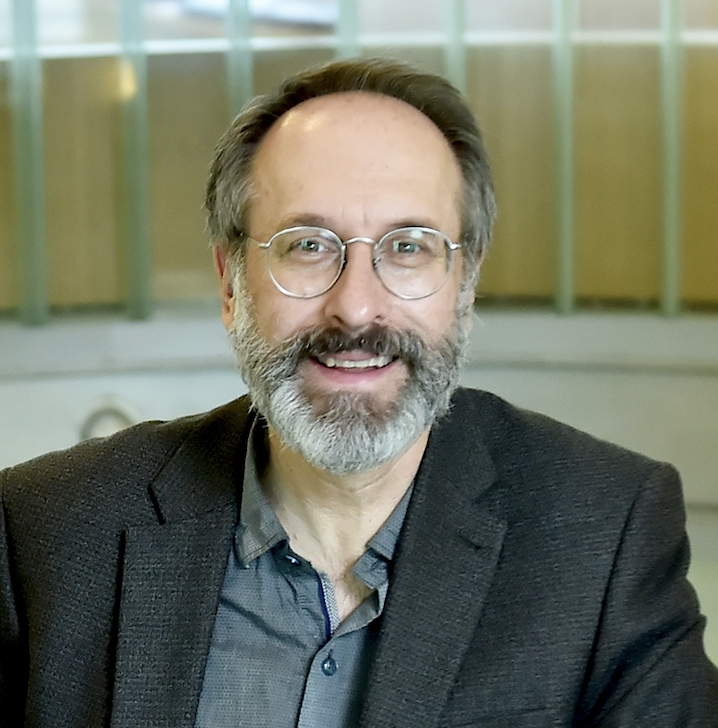
Vörösmarty, Charles
City University of New York
Charles J. Vörösmarty is a professor at the City University of New York. His research focuses on developing computer models and geospatial datasets to study interactions among the water cycle, climate, biogeochemistry, and anthropogenic activities. He has made significant contributions to raising global awareness of water-related challenges. At the request of the High-Level Panel on Water—comprising 11 heads of state—he provided advice on global investments in sustainable water infrastructure. In March 2019, he was awarded the Hungarian Order of Merit by then President János Áder for a lifetime of distinguished research and student training. In early 2023, he organized two panel discussions for the United Nations General Assembly addressing the climate–health and climate–water conflict nexus. Professor Vörösmarty also serves as President of the New York Hungarian Scientific Society.